
Views: 0 Author: Site Editor Publish Time: 2026-07-08 Origin: Site


Medical Blister Packaging can fail long before a visible crack or weak seal appears. An unsuitable cavity, poorly positioned device, incompatible closure material, or uncontrolled forming parameter may compromise protection during sterilization, transport, storage, or opening. A reliable process therefore begins with product requirements rather than a packaging machine. The following guide explains how medical blister packs move from design inputs to finished production, including tooling, forming, loading, sealing, inspection, validation, and defect prevention for pharmaceutical doses, diagnostic components, and medical devices.
The first decision is not the cavity shape. It is the protection the package must provide throughout its intended life. Engineers should document the product’s dimensions, weight, fragile areas, sharp features, particulate sensitivity, orientation, opening method, storage conditions, distribution hazards, and sterilization requirements. For a sterile device, the packaging system must also maintain integrity until the point of use. ISO 11607-1 addresses materials, sterile barrier systems, and packaging systems for terminally sterilized medical devices, making these design inputs part of a broader risk-based packaging strategy rather than optional production details.
The device should sit securely without excessive compression or uncontrolled movement. Clearance is needed for loading, material variation, and easy removal, while ribs, undercuts, retaining features, and rounded transitions can help control movement. Sharp corners should not concentrate stress in thin formed areas or threaten the lid during distribution. Early prototypes of Custom blister packaging allow the cavity geometry, flange width, nesting behavior, presentation, and handling method to be reviewed before production tooling is finalized. Kesheng’s published service process includes requirement analysis, drawings, mold production, samples, customer confirmation, and production quality control.
Material selection must follow the application. Transparency may support visual inspection, while rigidity, impact resistance, chemical compatibility, sealing behavior, and sterilization compatibility influence the final structure. Hangzhou Kesheng Packaging Material Co., Ltd. has PET, PVC, PS, and PP among its available blister materials, but the correct choice still depends on the device and validated packaging process. Clamshell packaging solutions may suit non-sterile accessories, protective secondary presentation, or products requiring a hinged enclosure, but they should not automatically be treated as sterile barrier systems.
Production begins with approved drawings that define the cavity dimensions, flange, draft angles, corner radii, trim line, material, and critical tolerances. The design team should compare these dimensions with actual product samples rather than relying only on nominal data. Components from different production batches may vary slightly, and a cavity based on one unusually small or large sample can create loading or retention problems later.
After drawing approval, the forming mold and cutting tools are produced and inspected. Tool accuracy affects cavity depth, wall distribution, flange flatness, repeatability, and final trim quality. A prototype run should confirm that the device can be loaded without force, stays in the intended position, and can be removed without damaging the product or contaminating the presentation surface. Kesheng describes mold accuracy, durability, surface finish, sample production, and sample confirmation as controlled stages before full production.
Before forming, incoming plastic sheet should be checked against its specification. Thickness variation, contamination, scratches, cracks, inconsistent transparency, or unsuitable storage conditions can affect heating and cavity consistency. The material roll or sheet is then positioned in the thermoforming equipment and heated until it reaches a controlled forming condition. Excessive heat may thin or distort the material, while insufficient heat can cause incomplete corners, poor definition, or uneven walls.
Vacuum, pressure, or a combination of forming forces draws the softened sheet against the mold. Cooling stabilizes the cavity before release. The critical settings depend on material, sheet thickness, cavity depth, tool temperature, cycle time, and equipment design. Kesheng states that its production monitoring covers heating temperature, vacuum level, and molding time, followed by appearance checks for cracks, bubbles, deformation, and other visible defects.
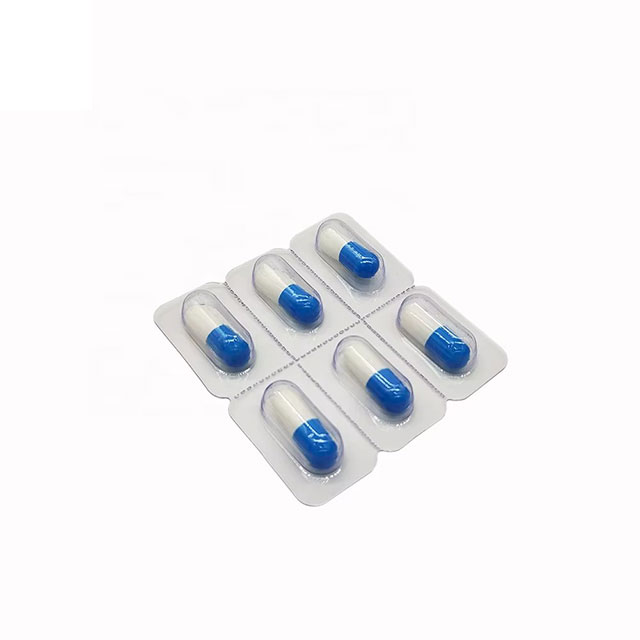
The formed tray must be clean and dimensionally acceptable before product loading. Loading may be manual for low-volume, complex, or delicate assemblies, or automated when product geometry and production volume support reliable feeding. Regardless of the method, the device must enter the correct cavity in the specified orientation without damage, missing components, trapped debris, or interference with the sealing flange. Fixtures and visual controls can reduce orientation errors.
For sealed Medical Blister Packaging, the closure material is aligned over a clean, continuous flange. Sealing parameters such as temperature, pressure, dwell time, and tooling alignment must create a consistent bond without channel leaks, wrinkles, scorching, flange distortion, or damage to the product. The process window should account for normal variation in materials and equipment rather than relying on one ideal setting. The company’s medical packaging page describes a Class 10000 clean and dust-free workshop, transparent materials, customization, and quality testing for medical equipment packaging.
After forming or sealing, the web is cut into individual trays or packs. Accurate die cutting provides consistent outer dimensions and smooth edges while preserving enough flange area for handling and sealing. Burrs, sharp corners, incomplete cuts, or trim misalignment can create handling hazards, interfere with secondary packaging, or reduce the usable seal area. Parts requiring assembly are then fitted together and checked for alignment and stability.
The finished packs may receive labels, lot identification, instructions, or other controlled information specified by the medical product manufacturer. They are then arranged in suitable secondary packaging that limits crushing, abrasion, movement, and contamination during transport. Kesheng’s manufacturing process includes die cutting, assembly, product inspection, sealing, packing, secondary sampling, and shipment. Its quality procedures also cover dimensional measurements, appearance inspection, performance testing, records, and traceability.
A clean production environment and a sterile finished package are not the same condition. Cleanroom controls reduce particulate and environmental contamination during manufacturing, while sterilization is a separate, product-specific process. For terminally sterilized devices, the tray, lid, adhesive or coating, printed information, and product must tolerate the selected sterilization method without embrittlement, discoloration, deformation, seal loss, or unacceptable residues. Packaging decisions should therefore be made with the device manufacturer, sterilization specialist, and quality team before materials are approved.
For projects involving Medical device packaging , the supplier should receive clear information about whether the tray is a protective insert, a preformed sterile barrier component, or part of a complete validated packaging system. This distinction determines the required documentation, cleanliness controls, closure design, and testing responsibilities. Kesheng presents medical device blister trays, customization options, clean-workshop controls, and inspection procedures, while customers remain responsible for confirming that the final packaging configuration is appropriate for their regulated product.
Process validation establishes that forming, sealing, and assembly can repeatedly produce acceptable packages within defined operating limits. ISO 11607-2 specifically addresses validation requirements for forming, sealing, and assembly processes used for terminally sterilized medical devices. A validation program commonly defines equipment qualification, operating ranges, critical parameters, sampling, acceptance criteria, challenge conditions, change control, and revalidation triggers. The FDA also recognizes the current ISO 11607 standards for medical device sterile barrier systems and packaging process validation.
Medical Blister Packaging quality should be built into the process instead of being judged only from finished samples. Incoming inspection verifies sheet condition, thickness, uniformity, cleanliness, and relevant material documentation. Mold checks confirm dimensions, cleanliness, surface condition, and structural integrity. During forming, operators monitor process parameters and inspect cavity definition, wall distribution, flange flatness, clarity, deformation, cracks, bubbles, and contamination.
Finished inspections should be connected to the risks identified during design. A protective tray may require dimensional, compression, retention, drop, and transport evaluations. A sealed sterile barrier configuration may also require validated seal-strength and integrity methods, distribution simulation, aging studies, and post-sterilization evaluation. The selected tests and acceptance limits must reflect the actual device, closure material, opening method, sterilization cycle, transport route, and shelf-life claim rather than a generic blister standard. ISO 11607-1 provides the framework for packaging materials and sterile barrier system performance, while Part 2 covers process validation.
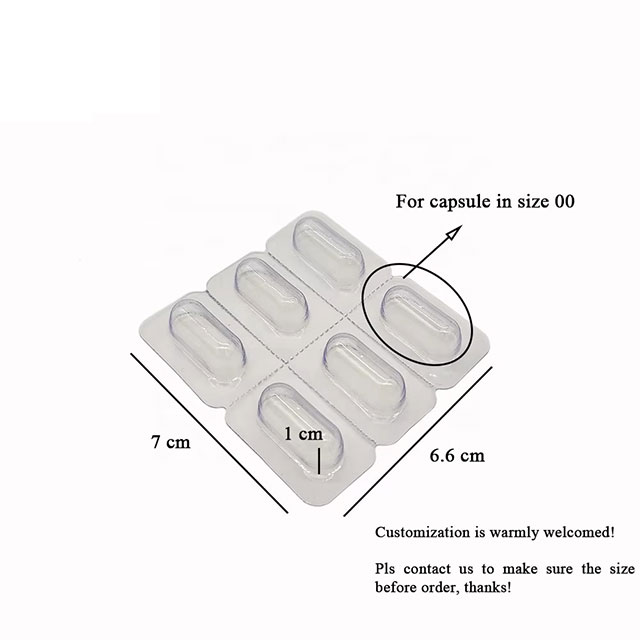
Inspection records should identify the material lot, tooling, machine, process settings, production time, operator, inspection results, and disposition of nonconforming products. Traceable records make it easier to investigate repeated dimensional drift, seal variation, contamination, or transport damage. Kesheng’s quality management information describes raw-material checks, real-time forming parameter monitoring, cutting inspection, finished-product tests, sterility verification where applicable, record keeping, and feedback to production teams.
Many Medical Blister Packaging defects originate from interactions between design, material, tooling, and process settings. Correcting only the most visible symptom may allow the failure to return in the next batch.
Defect | Likely Process Factors | Practical Response |
|---|---|---|
Incomplete or shallow cavities | Low forming temperature, insufficient vacuum, short forming time, or blocked tooling | Verify material condition, tool vents, heating profile, vacuum level, and cycle timing |
Thin corners or whitening | Excessive draw depth, sharp geometry, uneven heating, or unsuitable sheet thickness | Increase corner radii, review cavity depth, improve heating uniformity, or reassess material |
Warped or uneven flanges | Poor cooling, tool temperature variation, material stress, or unstable release | Stabilize cooling and tool temperature, then check flange flatness before sealing |
Weak or irregular seals | Contaminated flange, material mismatch, poor alignment, or unstable heat and pressure | Clean the seal area, confirm compatibility, inspect tooling, and validate the operating window |
Cracks, scratches, or burrs | Rough handling, worn cutting tools, poor nesting, or excessive trim force | Maintain cutting tools, improve handling fixtures, and inspect packed trays after transport simulation |
The most effective prevention method is to connect each defect to a measurable control. For example, a vague instruction to improve forming should become defined limits for temperature, vacuum, time, wall thickness, and cavity dimensions. A complaint about weak seals should trigger review of flange cleanliness, closure compatibility, sealing parameters, equipment calibration, and test results. This approach turns Medical Blister Packaging quality from visual sorting into controlled manufacturing.
A dependable Medical Blister Packaging process begins with product risk, sterilization strategy, and distribution requirements, then translates them into controlled design, tooling, forming, loading, sealing, trimming, and inspection stages. Buyers should evaluate the complete process rather than comparing trays only by appearance or unit cost. Hangzhou Kesheng Packaging Material Co., Ltd. operates as a manufacturer and supplier with published capabilities in customized design, mold development, thermoforming production, clean-workshop management, and quality inspection, supporting packaging development for different medical product configurations.
A: It is used to organize, protect, display, or seal tablets, diagnostic components, instruments, and medical devices during handling, distribution, storage, and presentation.
A: No. Some packs are protective trays or secondary packaging. Sterility requires an appropriate barrier system, compatible sterilization process, validated sealing, and controlled handling.
A: Suppliers need product drawings or samples, dimensions, weight, fragile areas, material preferences, loading orientation, sterilization method, opening requirements, annual volume, and applicable quality criteria.
A: A flat, clean, correctly sized flange supports consistent closure alignment and sealing. Distortion, contamination, narrow areas, or device interference can cause weak bonds or leaks.
A: Inspection should cover materials, cavity dimensions, appearance, flange condition, product fit, trim quality, sealing performance, labeling, cleanliness, and any validated integrity or transport requirements.


