
Views: 0 Author: Site Editor Publish Time: 2026-08-24 Origin: Site


Selecting the wrong thermoformed packaging damages your unit margins. It severely impacts assembly line velocity. It inflates retail shrink rates. You need a reliable structural choice to protect your goods. Both skin and blister configurations offer excellent product visibility. They also provide reliable deterrence against retail theft. However, their mechanical processes differ fundamentally. They require distinct tooling investments. They utilize entirely different material properties.
This article delivers an objective, engineering-focused framework. You will learn how to evaluate skin packaging vs blister packaging effectively. We break down the decision based on product fragility. We analyze your specific retail environment and production scale. We help you align packaging budgets directly to your manufacturing realities. By the end, you will understand exactly which structural method protects your profit margins best. You will know how to elevate your shelf presence seamlessly.
Skin packaging applies heat and vacuum to seal plastic directly over the product and onto a backing board, requiring minimal custom tooling.
Blister packaging uses pre-formed plastic cavities (molds), offering superior structural protection and premium retail presentation but requiring higher upfront tooling costs.
Skin packaging is generally optimal for industrial parts and hardware; blister packaging is the standard for consumer goods, cosmetics, and electronics.
The deciding factors ultimately come down to tooling budgets, heat-sensitivity of the product, and desired shelf aesthetic.
Understanding the mechanical differences helps you choose the right system. Each method requires specific machinery and interacts with materials differently.
Operators load products onto a porous paperboard. A machine heats a specialized plastic film. Facilities often use Surlyn or specialized polyethylene. The machine drapes this hot film directly over your items. A vacuum system draws the air out from below the board. The film pulls down tightly against the product contours. It bonds instantly to an adhesive-coated backing card. The product itself acts as the forming mold. You do not need to fabricate a separate aluminum tool. This process creates a skin-tight, invisible layer.
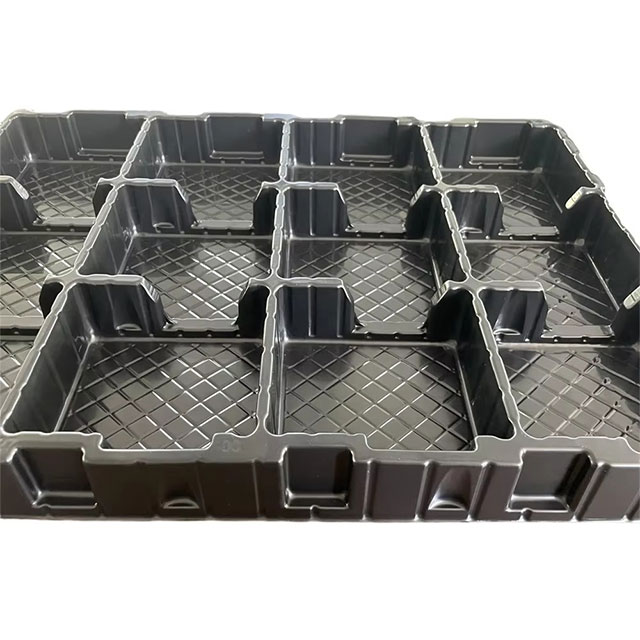
This method relies on pre-thermoformed plastic. Manufacturers typically use PVC, PET, or recycled PET (rPET). A thermoforming machine heats the plastic sheet. It uses a custom mold to pull the plastic into a specific cavity. You place the product inside this rigid clear bubble. Sealing equipment then presses the blister to a printed card. The machine applies targeted heat and pressure around the outer flange. The flange bonds to the heat-seal coating on the card.
Equipment choices dictate your facility's footprint. Skin packaging machines usually operate on a batch-based cycle. They offer immense versatility for mixed-part runs. Operators can swap items quickly. Blister packaging machines utilize rotary or shuttle sealers. They run at extremely high speeds. However, they remain entirely mold-dependent. You must swap physical tooling between different product runs. This changeover takes significant time.
This methodology offers unique benefits for specific product categories. It also presents challenges you must manage carefully.
You need zero product-specific molds. This flexibility benefits facilities managing highly varying SKUs. You can pack a wrench next to a bolt. The machine wraps them identically. It completely immobilizes heavy or awkwardly shaped items. They will not shift during rough transit. You face a much lower initial tooling investment. Small batch runs become highly profitable.
The process applies direct, intense heat to the product. The sealing cycle can melt or warp sensitive items. You should never use it for delicate electronics or cosmetics. The process also creates a lower perceived premium aesthetic. Consumers often view skin packs as strictly utilitarian. The film can sometimes wrinkle if the vacuum cycle fluctuates.
Use specialized porous board stock to ensure proper vacuum draw.
Monitor heat zones carefully to prevent film thinning over sharp product edges.
Group items of similar heights during batch runs for even film distribution.
High-mix, low-volume production lines thrive on this method. Industrial replacement parts use it extensively. Heavy plumbing fixtures stay secure on the card. It acts as a highly effective hardware blister tray alternative. It saves money when visual perfection matters less than rugged protection.
Retail-driven products require distinct structural features. This method provides the pristine presentation consumers expect.
Blister setups excel in modern retail environments. The sealing process applies zero thermal stress to your product. The heat only touches the outer flange. You get a clear, highly structured presentation. This clean aesthetic elevates brand perception significantly. Manufacturers leverage high-speed automated assembly capabilities. You can integrate pick-and-place robots easily. This suits large continuous production runs perfectly.
Structural variations offer different security levels. Standard face-seal blisters cover the front only. The cardboard backing remains vulnerable to tearing. In contrast, clamshell blister packaging encloses the item entirely in rigid plastic. It offers complete 360-degree protection. Retailers prefer it for heavy theft deterrence. You can seal clamshells securely using ultrasonic or radio frequency (RF) welding.
You need custom CNC-machined molds. Every unique product shape demands new tooling. This reality creates higher upfront capital expenditure. You also face longer lead times for tooling fabrication. Changing a product design means buying a new mold.
Failing to specify the correct flange width, leading to weak seals.
Using incompatible heat-seal coatings on the backing card.
Ignoring undercut angles in the mold design, causing plastic tearing during thermoforming.
This format demands premium display space. A well-designed consumer goods blister packaging dominates big-box store aisles. Pharmaceuticals rely on rigid cavities to maintain dosage safety. High-end electronics and cosmetics demand this pristine, crush-resistant presentation.
We must evaluate four distinct criteria. This framework guides packaging engineers toward optimal configurations.
Financial Considerations (Tooling vs. Per-Unit Cost)
Analyze the specific crossover point for your budget. Blister configurations demand high upfront tooling expenses. However, they deliver high-speed assembly efficiencies. This lowers the long-term per-unit cost. Skin configurations cost less initially. Their manual setup drives per-unit labor costs higher over time. High-volume runs ultimately favor blister automation.
Assembly and Fulfillment Velocity
Evaluate your facility's labor constraints. Skin setups rely heavily on manual loading times. Operators arrange items on the board by hand. Blister machines allow automated drop-loading. Conveyors place products into pre-formed cavities precisely. Automated blister lines output exponentially more units per hour. They integrate seamlessly into existing robotic lines.
Product Safety and Integrity
Contrast the different protection styles. Skin films immobilize items tightly against a board. This prevents scratching from internal movement. However, it lacks external impact deflection. Utilizing industrial blister packaging provides superior crush-resistance. The rigid cavity absorbs external shocks. It maintains structural rigidity during rough shipping cycles.
Sustainability and Compliance
Compare end-of-life recycling workflows. Skin packs bond plastic directly to paperboard. Consumers struggle to separate these mixed materials. Recyclers often reject them entirely. Blister components separate easily. Users simply pull the PET plastic away from the card. This modularity improves compliance with modern sustainability mandates.
Thermoformed Packaging Comparison Matrix
Feature | Skin Packaging | Blister Packaging |
|---|---|---|
Tooling Investment | Low to None | High (Custom CNC Molds) |
Production Speed | Moderate (Batch Process) | Fast (Automated Rotary/Shuttle) |
Product Heat Exposure | High (Direct Film Contact) | None (Flange Seal Only) |
Retail Aesthetic | Utilitarian / Industrial | Premium / High Clarity |
Changing your packaging methodology requires careful planning. You must establish rigorous benchmarks before making capital investments.
Audit your current packaging line thoroughly. Measure your baseline cycle times. Track your specific defect rates over a month. Calculate current retail shrink percentages accurately. You need these concrete metrics. They help you validate your new structural investment. Set realistic goals for throughput improvements.
Sourcing requires a strategic manufacturing partnership. You must know what to look for in a custom blister packaging manufacturer. Contract packagers must demonstrate proven technical capabilities. Verify their ISO cleanroom certifications if you pack medical devices. Assess their in-house tooling capabilities. Request documentation on sustainable material sourcing. You want a partner capable of scaling operations quickly.
Implement a strict testing protocol before launch. We recommend aggressive drop testing based on ASTM standards. Run thorough transit simulations. These check seal integrity under vibration. Conduct retail visual audits using mockup prototypes. Ensure the packaging hangs correctly on standard pegboards. Check the center of gravity. Do not commit to a full production rollout prematurely. Prototypes must pass every structural test first.
Choose skin packaging for cost-effective flexibility. It excels in rugged industrial applications. It handles heavy, varied SKUs easily. You avoid expensive custom molds entirely. Invest in blister packaging for retail dominance. You need it when consumer perception matters most. It protects heat-sensitive goods perfectly. High-volume scalability demands its automated efficiency.
Take action to optimize your line today. First, request a comprehensive material audit from your supplier. Second, secure a formal tooling quote. Base this quote strictly on your specific SKU count. Finally, calculate your projected annual production volume. These steps will reveal your most profitable packaging path.
A: It depends on your production scale. Skin packaging eliminates upfront custom mold expenses. This makes it cheaper for low-volume or high-mix runs. Blister packaging requires expensive tooling initially. However, blister machines automate faster. This drastically lowers per-unit labor expenses during high-volume production runs.
A: No. The skin packaging process drapes hot plastic film directly onto the product. This thermal transfer can easily melt, warp, or damage delicate items. Blister packaging remains the safer alternative. It only applies heat to the outer paperboard flange.
A: Blister packaging offers much easier recyclability. Consumers simply separate the plastic cavity from the paperboard. Skin packaging bonds the plastic directly to the porous backing card. This creates a mixed-material product. Most municipal recycling facilities reject these bonded materials.
A: You should upgrade when your product faces high theft risks. Clamshells enclose the item entirely in thick plastic. They also support heavier items better than standard face-seal blisters. Consider clamshells if your product requires 360-degree visibility or extreme structural rigidity during transit.


