
Views: 0 Author: Site Editor Publish Time: 2026-07-10 Origin: Site


Bubble packing and blister packaging may look similar because both involve raised plastic pockets, but their functions are fundamentally different. Bubble packing normally cushions products against impact during shipping, while Medical Blister Packaging forms controlled cavities that contain, organize, present, or protect medicines and medical devices. The terminology becomes confusing because pharmacies sometimes call medication blister cards “bubble packs.” Understanding the intended meaning, package structure, closure method, and required protection helps buyers avoid choosing a shipping material for a task that requires controlled medical packaging.
In logistics and industrial shipping, bubble packing usually means flexible bubble wrap made with sealed air pockets. The air pockets compress when the package experiences vibration or impact, reducing the force transferred to a fragile product. Bubble wrap may surround a device, fill unused carton space, or separate components that could otherwise scratch each other. It is a cushioning material rather than a precisely formed primary package, so it normally does not hold every product in a dedicated cavity or create a controlled seal around it.
In pharmacy and long-term care settings, however, “bubble pack” may refer to a medication card containing several formed compartments. Each compartment can represent a particular day, time, or dosing period. In that context, a bubble pack is effectively a type of Medical Blister Packaging rather than shipping bubble wrap. Buyers should therefore ask whether the term describes air-cushion film or a formed medication card before discussing materials, machinery, testing, barrier requirements, or opening features.
This distinction also prevents confusion between pharmaceutical packages and other thermoformed formats. A clear plastic shell, tray, carded blister, and medication compliance pack can all contain formed cavities, but they do not automatically provide the same protection. Their performance depends on the material, cavity geometry, backing or lidding system, seal design, and intended distribution environment. The package name alone is not enough to establish suitability for a medical application.
Medical Blister Packaging begins with a cavity shaped around a tablet, capsule, device, vial, instrument, or product set. Depending on the application, the formed component may be sealed with foil, coated paper, film, or another compatible closure, or incorporated into a tray and secondary sterile-barrier system. The cavity limits product movement and supports repeatable placement, while the closure determines access and contributes to package integrity. Bubble wrap, by comparison, remains a flexible sheet placed around an already packaged product.
Comparison Factor | Bubble Packing | Blister Packaging |
|---|---|---|
Primary purpose | Cushioning and void filling | Product containment, organization, protection, or display |
Basic structure | Flexible film with air pockets | Formed cavity, tray, card, or plastic shell |
Product fit | Wrapped around different shapes | Molded to specified dimensions |
Closure | Tape, wrapping, or carton retention | Lidding, backing, snap closure, or secondary seal |
Dose organization | Not provided by shipping bubble wrap | Can separate individual units or dosing periods |
Retail presentation | Usually hidden inside a carton | Can provide clear product visibility |
Production setup | Minimal tooling for standard rolls | Custom molds may be required |
Typical stage | Secondary or transit protection | Primary, secondary, retail, or medical-device packaging |
A blister format is not always a sealed medical package. For example, Clamshell blister packaging can use a formed plastic shell with a hinge, snap feature, or folded structure for protection and presentation. This may be appropriate for tools, electronics, plants, toys, and other retail products, but it should not be assumed to provide pharmaceutical barrier performance or a sterile barrier. Medical suitability must be established through the complete packaging specification, not merely through the presence of a transparent plastic cavity.
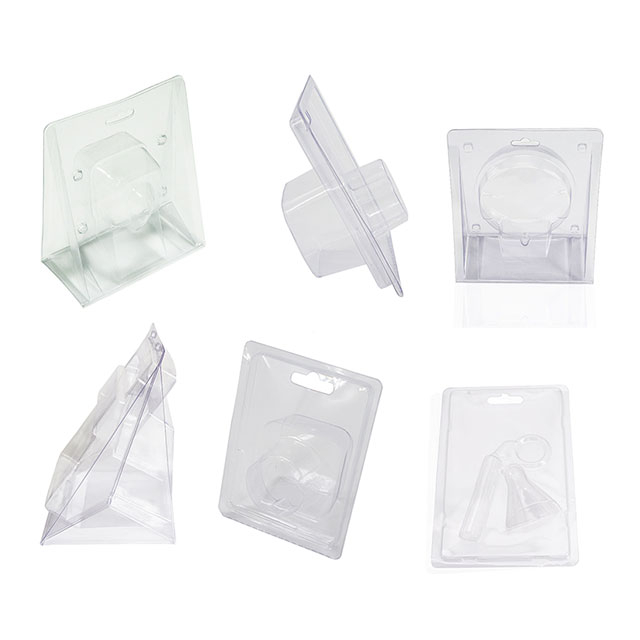
Medical Blister Packaging must be designed around the risks faced by the packaged product. A solid oral dose may need individual separation, suitable moisture or light protection, clear identification, and controlled opening. A medical device may instead require dimensional retention, protection from abrasion, space for delicate features, compatibility with a lid or pouch, and stability during sterilization and distribution. These applications may both use thermoformed cavities, yet their materials, closures, validation requirements, and handling conditions can be very different.
The closure is particularly important because a cavity alone does not isolate the product. Seal quality can be affected by material compatibility, sealing temperature, pressure, contact time, surface contamination, flange geometry, and process consistency. A poor seal may lift, wrinkle, channel, or open during handling, even when the formed cavity looks correct. For this reason, medical packaging development must consider the forming and sealing processes as one system rather than selecting a tray first and treating the closure as a separate detail.
Opening behavior also requires careful evaluation. Push-through foil may suit some tablets, while peelable structures may be more appropriate for devices that must be removed without excessive force or uncontrolled movement. Child resistance, senior accessibility, tamper evidence, and sterile presentation are separate design objectives; none should be assumed simply because a package is called a blister. The opening method should match the user, the product risk, and the environment where the package will be handled.
Bubble wrap cannot perform these controlled functions. Its air pockets absorb mechanical energy, but the material does not normally provide indexed product placement, dose identification, a validated product seal, or a defined opening sequence. It can still support Medical Blister Packaging by protecting finished packs inside an outer carton. In that combined system, the blister manages product containment while the bubble cushioning reduces transit shock.
For tablets and capsules, a sealed blister card can separate units and make remaining quantities visible without opening every cavity. Calendar-style or multi-compartment cards can also organize doses by day or administration time. These formats are sometimes called medication bubble packs, but their function is based on blister cavities and a controlled backing layer, not air-filled shipping film. Material and barrier choices should reflect the medicine’s sensitivity, storage conditions, intended shelf life, and opening requirements.
Medical devices often need deeper or more complex cavities than tablets. A formed tray can support instruments, components, vials, or kits in defined positions, reducing contact between sensitive surfaces. The tray may also simplify presentation by allowing the user to identify and retrieve components in an intended order. When sterility is required, the tray is only one part of the system, and the lid, seal area, sterilization method, secondary packaging, and validation strategy must be considered together.
Retail products prioritize different outcomes. Transparent Consumer goods packaging can retain small items, provide visibility, reduce movement, and support hanging or shelf presentation. These characteristics are useful for hardware, kitchen tools, electronics, cosmetics, and accessories, but they do not turn a retail package into Medical Blister Packaging. The required package depends on the product’s risk, regulatory context, distribution channel, and expected interaction with the user.
Reusable access creates another important distinction. A Flip-top blister clamshell can allow repeated opening and closing for everyday items that users access several times. A sealed pharmaceutical blister normally prioritizes individual cavity integrity and visible evidence that a dose has been opened. Choosing a reusable closure where controlled single access is required could undermine product protection, while using a permanently sealed card for a frequently accessed consumer item may create unnecessary inconvenience.
Begin by defining the packaged product and its vulnerabilities instead of asking only for a “blister” or “bubble pack.” Provide dimensions, weight, sensitive surfaces, moisture or light concerns, sterilization requirements where applicable, distribution conditions, and the intended opening method. Explain whether the package is primary containment, a device-retention tray, retail presentation, medication organization, or secondary transit protection. This information helps determine whether the project requires bubble cushioning, Medical Blister Packaging, or a combination of both.
Material selection should follow the protection requirement rather than appearance alone. Transparency can support inspection and product visibility, but a clear material may not provide the barrier needed by every medicine. A thicker sheet may improve rigidity yet increase material use, while an excessively tight cavity can complicate loading or product removal. Cavity depth, corner radii, flange width, nesting behavior, lid compatibility, and dimensional tolerances should therefore be reviewed as a connected design system.
Buyers should also account for the production process. Custom thermoforming normally requires mold development, sampling, dimensional review, loading evaluation, and confirmation that the closure works with the formed component. Pilot samples should be handled, stacked, shipped, opened, and assessed under realistic conditions before volume production. For Medical Blister Packaging, applicable quality, integrity, sterilization, stability, and usability requirements should be established by the responsible product owner and qualified specialists.
Cost comparisons should include more than material price. Bubble wrap may require little custom tooling, but manual wrapping, storage volume, inconsistent application, and excess void fill can affect operational cost. Blister tooling adds an initial development expense, yet a well-designed cavity can improve repeatability, loading, presentation, and product retention. The more reliable choice is the format that controls the identified product risks with the least unnecessary material and process complexity.
Bubble packing primarily manages shock during storage and transportation, whereas Medical Blister Packaging provides formed product retention, organization, presentation, and potentially controlled sealing. Pharmacy “bubble packs” are an important exception because the term often describes medication blister cards rather than bubble wrap. As a blister packaging manufacturer, Hangzhou Kesheng Packaging Material Co., Ltd. supports custom thermoforming through mold development, material selection, production management, and quality control. The right specification should always begin with product risk, closure performance, user access, and the package’s role within the complete distribution system.
A: Shipping bubble packing is not the same. It cushions products with air-filled film, while Medical Blister Packaging uses formed cavities to contain, organize, or protect specific products.
A: The raised medication compartments resemble bubbles, so pharmacies commonly use the term “bubble pack.” Structurally, these compliance cards are blister packages rather than bubble-wrap cushioning.
A: Bubble wrap can reduce impact around an outer carton or finished package, but it does not replace primary containment, controlled sealing, sterile barriers, or dose organization.
A: No. Suitability depends on the material, closure, manufacturing environment, product compatibility, required testing, and intended application—not transparency or cavity shape alone.
A: Yes. A blister can contain and organize the product, while bubble cushioning protects the finished package from shock and movement during transportation.
A: Suppliers need product dimensions, weight, protection risks, cavity layout, closure type, opening method, distribution conditions, sterilization needs, quantities, and applicable quality requirements.


