
Views: 366 Author: Site Editor Publish Time: 2026-05-14 Origin: Site


In the fast-paced and ever-evolving food industry, packaging plays a crucial role in preserving food quality, ensuring safety, and enhancing the consumer experience. Among the many types of food packaging, food blister packaging stands out as one of the most innovative and versatile solutions. This packaging method, which involves encasing food items in plastic cavities sealed with flexible films, has transformed the way food products are handled, distributed, and consumed.
Food blister packaging is used for a wide variety of food items, ranging from snacks, candies, and pharmaceuticals to ready-to-eat meals and fresh produce. It offers several advantages over traditional packaging methods, such as improved freshness, extended shelf life, and convenience. But the role of food blister packaging goes far beyond these benefits—it’s become a cornerstone of modern food safety, sustainability, and consumer satisfaction. In this article, we will explore the significant impact food blister packaging has on the food industry and why it continues to be a preferred choice for manufacturers and consumers alike.
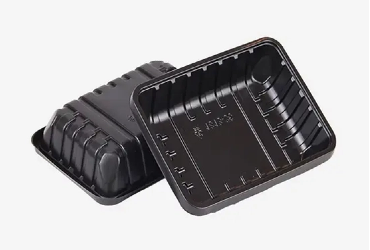
Food blister packaging is a packaging method in which food products are encased in a cavity or blister, typically made from thermoformed plastic. The blister is sealed with a flexible film, which can be either a plastic film or an aluminum foil. The process involves creating a plastic mold that is shaped to fit the contours of the food inside. The sealed pack protects the food from contaminants, external damage, and environmental factors that could affect the food’s quality.
Blister packaging is most commonly used for products like single-serve snacks, fresh produce, ready-to-eat meals, and even medicinal food products. It can be designed to fit a wide variety of shapes and sizes, making it an adaptable solution for many food types.

One of the main reasons why food blister packaging is so widely used in the food industry is its ability to protect and preserve food quality. By creating a sealed environment around the food product, blister packaging helps to:
Blister packs act as an effective barrier against external contaminants like dirt, bacteria, and viruses. In an age where food safety is a top priority, especially with the rise in foodborne illnesses, food blister packaging ensures that products remain clean and hygienic during transport, storage, and display. The sealed packaging prevents contamination from handling, touch, or exposure to the environment, reducing the risk of spoilage or harmful bacteria getting into the food.
Another important benefit of food blister packaging is its ability to extend the shelf life of food products. The airtight and moisture-proof nature of blister packaging helps to slow down the oxidation process, which can cause food to go stale or lose its flavor. For products like chips, cookies, and candies, blister packaging helps maintain their freshness for a longer period of time, even in transit or on store shelves. Similarly, fruits, vegetables, and other perishable products benefit from extended shelf life, which helps reduce food waste and spoilage.
Blister packaging also helps maintain the flavor and texture of food products. The sealed environment prevents the food from coming into contact with moisture or air, which can degrade the texture of items like crackers, cookies, or snacks. For instance, chips stored in blister packs are less likely to get stale compared to those in open or loosely packaged containers. Additionally, the packaging helps preserve the food’s taste, ensuring that consumers experience the product as intended.
In today’s fast-paced world, consumers are looking for convenience in all aspects of their lives, including food consumption. Food blister packaging answers this need by offering easy-to-use, single-serving portions that are perfect for on-the-go consumption. Here’s how:
Blister packs allow for precise portion control, which is ideal for consumers who are conscious of their serving sizes or need pre-measured amounts for convenience. For example, a pack of fruit slices, cheese cubes, or snack-sized portions of candy is easy to consume without the need for additional preparation. Consumers appreciate the convenience of having a pre-packaged, ready-to-eat snack or meal that requires no additional effort to prepare. This level of convenience is especially beneficial for busy professionals, parents, or anyone who needs a quick, nutritious snack.
Blister packs are designed to be user-friendly, often featuring tear-off or peel-away seals for easy access. Consumers can open the package with minimal effort, which is particularly useful for individuals with limited hand strength or dexterity. The compact and resealable nature of blister packs also makes them convenient to carry in bags, lunchboxes, or backpacks, further increasing their appeal to consumers looking for easy, portable food options.
Blister packaging also allows consumers to see the food inside, which enhances the visual appeal of the product. The clear plastic or film gives consumers a direct view of the food, helping them make an informed decision before purchase. This is especially important for items like candies, chocolates, or pre-packaged salads, where visual presentation plays a significant role in consumer choice. The ability to see the product before buying builds trust and enhances the overall shopping experience.
Food safety is a critical issue in the modern food industry, and food blister packaging helps ensure that food products meet strict hygiene and safety standards.
Many food blister packs come with tamper-evident features, such as a tear seal or breakable packaging, that make it obvious if the product has been altered or compromised. This adds an extra layer of safety and reassurance for consumers, as it ensures the food they are purchasing is untouched and in its original condition.
The airtight and moisture-resistant seals of blister packaging help keep the food inside protected from germs, dirt, and bacteria. This is especially important for ready-to-eat meals, snacks, and other products that require strict hygiene standards. With blister packaging, consumers can be confident that the food they are consuming has been safely sealed and is free from contamination.
Food blister packaging is designed to be easy to handle, store, and dispose of. Most blister packs are compact and easy to stack, which helps businesses with storage and distribution. For consumers, blister packaging offers a simple, straightforward disposal process. In many cases, the packaging is recyclable, and as consumer demand for sustainable packaging increases, manufacturers are moving toward more eco-friendly materials.
As concerns about plastic waste and environmental impact continue to rise, many companies are looking for ways to make their packaging more sustainable. While food blister packaging is often associated with plastic, it is important to note that there are ongoing efforts in the industry to improve the environmental footprint of this packaging solution.
Many manufacturers are using recyclable materials, such as PET (polyethylene terephthalate), for their blister packaging. PET is a widely accepted recyclable plastic that can be processed and reused for other products, making it a more sustainable choice compared to other packaging materials. By using recyclable materials, the food industry can reduce the environmental impact of packaging and contribute to a circular economy.
In addition to using recyclable plastics, some manufacturers are turning to biodegradable films for food blister packaging. These films break down more easily in the environment, reducing the long-term impact on landfills and reducing waste. Although biodegradable films are still in the early stages of development, they hold great potential for improving the sustainability of food blister packaging in the future.
Blister packs use precise amounts of material, which means there is less excess packaging compared to other forms of food packaging. This efficient use of materials helps reduce waste and lowers the overall environmental impact of food packaging. As sustainability becomes a bigger priority, the use of lightweight and optimized packaging will continue to grow.
Food blister packaging has become a critical element in the modern food industry, offering a wide range of benefits for both consumers and manufacturers. From its ability to protect and preserve the freshness of food to its convenience, portion control, and hygienic features, blister packaging plays a key role in ensuring that food products remain safe, high-quality, and easy to use.
As the demand for sustainable packaging increases, food blister packaging is evolving to meet these needs through the use of recyclable materials, biodegradable films, and efficient packaging processes. With its versatile applications and ability to meet the challenges of modern food packaging, blister packaging will continue to play a central role in the food industry for years to come.
For companies seeking high-quality food blister packaging solutions, Hangzhou Kesheng Packaging Material Co., Ltd. is a trusted provider. Their innovative, sustainable, and efficient packaging options help food manufacturers meet the demands of consumers and businesses alike, ensuring that food remains fresh, safe, and environmentally responsible.


