
Views: 0 Author: Site Editor Publish Time: 2026-09-01 Origin: Site


Packaging plays a pivotal role across the global fresh food sector. It must balance shelf-life extension, merchandising appeal, and transit security effortlessly. Retailers face constant pressure. High-clarity packaging often sacrifices durability during rough transit. Conversely, highly durable options obscure the product completely. Heavy materials also frequently fail modern sustainability mandates. This forces brands into difficult compromises. We resolve this tension using a highly specific polymer structure. The PET (Polyethylene Terephthalate) hinged clamshell operates as the industry-standard baseline for fresh food packaging. It provides a verifiable balance of gas-barrier performance, structural integrity, and premium retail readiness. Procurement managers face complex choices daily. You must understand specific technical criteria and operational realities to source these containers safely. This guide equips you with those exact parameters. You will discover how to evaluate material performance, optimize supply chain footprints, and select configurations perfectly matched to your fast-moving fresh food programs.
Material Performance: PET provides superior oxygen and moisture barrier properties compared to standard plastics, actively preserving fresh food integrity.
Merchandising Value: Ultra-high clarity drives consumer trust by allowing unhindered visual inspection of fresh contents.
Operational Efficiency: Integrated hinges and precision-engineered locks reduce packing times and mitigate transit leaks.
Scalability: Direct-from-factory standard options meet immediate needs, while custom tooling allows for precise portion control and brand differentiation.
Fresh food packaging dictates retail profitability. Oxygen transfer rates (OTR) and moisture vapor transmission rates (MVTR) directly control shelf-life economics. If OTR remains too high, oxidation accelerates rapid spoilage. If MVTR lacks proper calibration, produce either dehydrates quickly or develops mold. Proper gas barriers minimize expensive retail shrink. A premium PET Hinged Clamshell Container actively regulates this environment, extending viable selling windows.
Visual merchandising relies heavily on the initial point-of-sale interaction. Consumers demand unhindered visual inspection of fresh contents before purchasing. Opaque or easily scratched materials reduce conversion rates instantly. PET delivers ultra-high clarity. This transparency builds immediate consumer trust. Shoppers associate pristine packaging directly with fresh, high-quality ingredients.
We must also establish a strict compliance and safety baseline. Premium food-grade contact requires mandatory adherence to FDA and EFSA regulations. Buyers must demand materials entirely free from BPA and harmful plasticizers. Non-negotiable safety standards protect both end-users and retail brand reputations. Any compromise in material purity introduces severe regulatory risk.
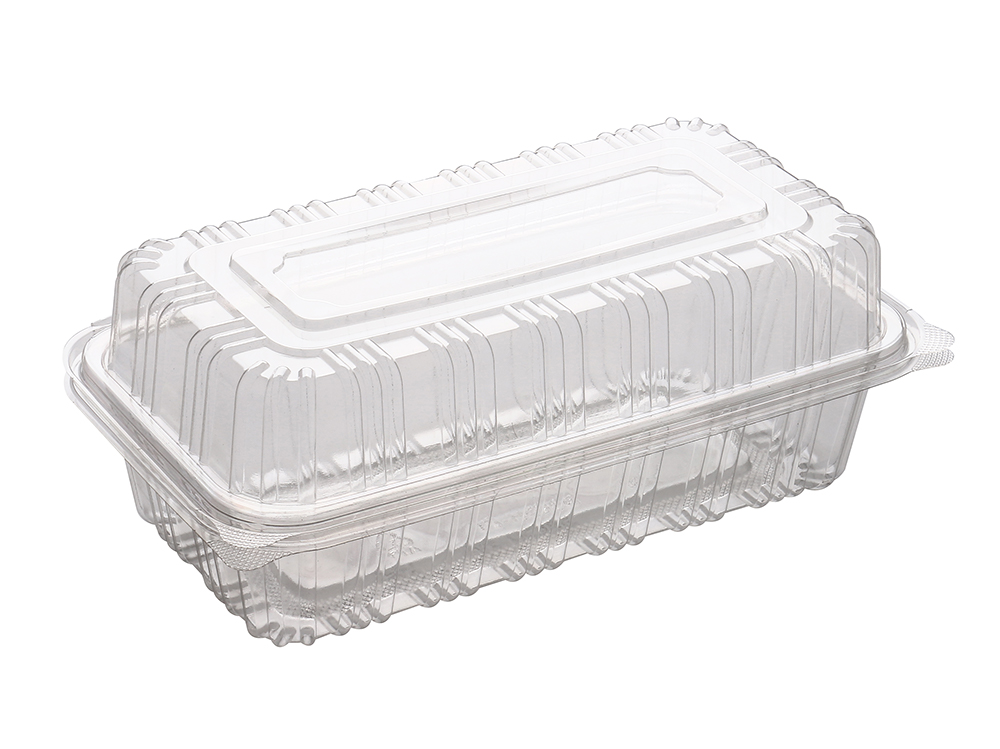
PET behaves exceptionally well inside demanding cold supply chains. Refrigeration and deli environments stress packaging materials constantly. Standard polystyrene (PS) often becomes brittle under freezing temperatures. It can crack, introducing physical contamination risks. PET maintains strong shatter-resistant properties. It easily withstands impact during transit and survives accidental drops in busy grocery aisles.
The built-in hinge mechanism offers massive time-motion savings. A one-piece hinged design eliminates the frustrating need to match separate bases and lids. Workers pack high-volume orders much faster using just one hand. We see significant labor cost reductions during daily operational shifts. These micro-efficiencies compound into major financial advantages over an annual production schedule.
Closure integrity relies entirely on the engineered snap mechanism. Perimeter locks and corner button-snaps prevent accidental openings. They deter casual tampering while resisting minor liquid leaks. You do not need expensive secondary sealing bands for standard pet hinged clamshell container models. The tight perimeter seal handles most deli and produce requirements securely and efficiently.
Produce and cut fruit require very specific atmospheric environments. Ventilation options, like custom punched holes, prevent internal condensation. They also stop ethylene gas buildup. Trapped ethylene causes rapid, uncontrollable ripening in berries and greens. Proper ventilation actively preserves texture and flavor profiles.
Deli items and salads demand excellent leak resistance. Rigid sidewalls support dense, heavy portions of pasta or meat. Dressings and marinades stay firmly contained during bumpy transit. Weak walls collapse under weight, but ribbed PET structures maintain their shape flawlessly.
Bakery and confections require specialized spatial geometry. Cookies and delicate pastries need rigid separation to prevent crushing. Excellent moisture barriers maintain their intended crispness. Soft baked goods avoid drying out prematurely.
When you explore various pet hinged clamshell container applications, match features carefully. Group them by vented versus airtight, or shallow versus deep cavity. This ensures buyers specify the exact container spec for the target food type.
Food Category | Primary Packaging Challenge | Required Container Feature | Ideal Cavity Style |
|---|---|---|---|
Fresh Berries & Cut Fruit | Condensation & Ethylene buildup | Top and bottom ventilation holes | Deep cavity, unribbed window |
Leafy Greens & Salads | Crushing & Wilting | Rigid ribbed sidewalls | Shallow, wide base |
Dressed Deli Salads | Liquid leakage during transit | Perimeter bar-lock seal | Deep cavity, smooth corners |
Bakery & Pastries | Crushing & Moisture transfer | Airtight snap-lock closures | Geometric compartments |
Your warehouse footprint dictates inbound logistics costs. Nested delivery optimizes freight beautifully. Open clamshells stack tightly inside each other. Built-in de-nesting lugs prevent the plastic layers from vacuum-sealing together. You ship far less empty air. This maximizes warehouse space and significantly lowers transport emissions.
Retail display strategies rely heavily on smart stackability. Interlocking top-and-bottom designs allow secure vertical displays. The base of one container fits perfectly into the recessed lid of the unit below it. They reduce tip-overs while maximizing valuable shelf density. You can present more SKUs per square foot of refrigerated real estate.
Manufacturing consistency determines the final container rigidity. Variations in PET sheet extrusion and thermoforming processes matter immensely. If the plastic gauge thins out at the corners, the container becomes weak. Evaluate factory-direct supply chains carefully. Strict Quality Assurance guarantees every batch performs identically. Consistent structural integrity prevents disastrous crushing during multi-pallet transit.
You often face the standard versus custom dilemma. Standard dimensions, like an off-the-shelf 6x6 clamshell, suffice for many programs. They offer immediate availability. However, custom tooling becomes economically viable at higher scales. Unique food geometry heavily drives customization. Minimizing negative space prevents delicate products from moving and breaking during transit. A custom mold hugs the food perfectly.
Specific portion control requirements allow you to cost-engineer the internal volume. Adjusting the cavity depth by just a few millimeters saves grams of expensive ingredients per unit. You can precisely manage ingredient yields. Furthermore, embossing adds robust brand security and premium positioning. A logo molded directly into the lid prevents counterfeiting.
Consider the necessary tooling requirements carefully. Here are the transparent assumptions behind a custom pet hinged clamshell container order:
Mold Costs: Custom CNC-machined aluminum molds require an upfront capital investment.
Sampling Lead Times: You must allow three to four weeks for initial prototype extrusion and approval.
Minimum Order Quantities (MOQs): Custom runs demand higher production volumes to absorb factory setup expenses.
Understand the global recyclability framework thoroughly. PET stands out as a highly recycled packaging material. It carries Recycling Code #1 globally. You must differentiate carefully between virgin PET and rPET (recycled PET). Regulatory requirements dictate strict standards for food-contact rPET. Manufacturers typically use a functional A-B-A barrier layer. This ensures virgin plastic touches the food while recycled flakes remain safely trapped in the middle.
Supply chain risk mitigation protects your daily operations. Evaluate manufacturer reliability using recognized global certifications. Look strictly for ISO, BRC, or GFSI credentials. These guarantee hygienic production environments and standardized workflows. Unannounced facility audits prove a supplier takes contamination prevention seriously.
Before committing to mass production, always conduct physical evaluations. Follow these practical best practices:
Request standard sample kits directly from the packaging engineering team.
Conduct real-world fit tests using actual food products, not just water.
Perform physical drop tests at typical refrigeration temperatures to check shatter resistance.
Verify closure security and transit durability before committing to high-volume purchase orders.
A high-quality PET hinged clamshell functions as a strategic asset for fresh food programs. It successfully solves the dual challenges of operational packing speed and high-end retail visibility. The integrated hinge reduces labor, while the crystal-clear polymer builds consumer confidence. Buyers should align their specific container configurations directly alongside their cold-chain realities. Match the polymer performance to your specific shelf-life and moisture goals.
Protect your brand reputation by investing exclusively in certified, high-clarity packaging. Never compromise on food-grade compliance or leak-resistant perimeter locks. We highly encourage you to contact a packaging engineering team today. Request standard catalog samples to verify structural quality firsthand. Alternatively, explore a custom tooling consultation to maximize your product merchandising and optimize exact portion controls.
A: No. Standard PET has a low thermal threshold and will warp under high heat. Direct buyers to PP (Polypropylene) containers for hot-fill or microwave applications.
A: Look for designs featuring a tight perimeter seal (bar-lock) rather than just corner button locks. Test with specific food liquids, as clamshells are leak-resistant, not hermetically sealed.
A: Yes, many manufacturers offer rPET options. However, buyers must verify that the rPET utilizes a functional barrier or is certified for direct food contact in their target market.


